Prairieville Animal Hospital: How to Find the Right Veterinarian for Your Pet
Choosing a veterinarian is more than picking a name from a phone book or a quick online search. It’s about the everyday rhythms of care, the way a clinic treats your pet during a stressful moment, and the sense you get when you walk through the door. I’ve spent decades watching pets and their people navigate illness, routine care, and the quiet anxiety that comes with a medical visit. The experience taught me that the right veterinarian is less about flashy credentials than about a practical fit: a partnership built on communication, competence, and a shared commitment to the animal in your life.
This piece isn’t about finding a glossy brochure or chasing the latest marketing claim. It’s about evidence you can observe, conversations you can have, and decisions you can stand behind when your cat refuses a syringe of medicine or your retriever comes home with a post surgery bounce-back plan. For families in Prairieville and surrounding neighborhoods, the hunt for the right vet clinic should begin with clarity about your values, your pet’s needs, and the everyday realities of pet health care.
The foundation of any good veterinary relationship is trust. You want a clinic that can explain what’s happening in plain language, answer questions with patience, and show readiness to adapt when plans change. A vet practice that blends medical rigor with humane, compassionate care makes the difference not only for the animal but for the people who live with that animal every day. When you visit Prairieville Animal Hospital or any local practice, you’re evaluating a team, not a single doctor. The right team feels like a partner in your pet’s life, someone who will call you back, explain a treatment option in terms you understand, and recognize when a visit is about comfort and reassurance rather than a dramatic intervention.
Before you begin the search, take stock of your pet’s life as it stands. Your cat might be lean or overweight, with a history of dental issues, while a Labrador could have joint concerns and a need for regular exercise guidance. A geriatric dog may require more frequent pain assessment and medication management. A small dog with dental crowding needs a different plan than a shy cat with anxiety about the exam room. This isn’t about matching a single checklist to every animal. It’s about acknowledging the range of possibilities that a good clinic must accommodate.
Where to start when you’re evaluating a Prairieville Animal Hospital or any practice
First impressions matter, but they’re not the only metric. The lobby ambiance, the scent of cleaning products, and the tone of the reception team all contribute to the first sense of safety. Yet a pet hospital is measured most by the consistency of its care. The receptionist who remembers your pet’s name and a clinician who reviews medical history before they step into a room are not cosmetic touches. They are signals that the clinic has a system in place to maintain continuity of care.
From there, you want a structure that supports ongoing health rather than one-off interventions. A good clinic will have a clear schedule, transparent pricing, and a method for documenting your pet’s medical history in a way you can access. Digital records, reminder systems for vaccines and annual exams, and a straightforward channel for contact after a visit all reduce stress for you and your animal. The practical realities matter because every family carries the weight of medical costs, time off work for appointments, and the emotional investment in a pet’s well being.
One practical yardstick is the clinic’s approach to preventive care. A robust preventive plan is not just about vaccinations. It’s about monthly parasite prevention, dental checks, weight management support, and early screening for common conditions that sneak up in middle age. If you can walk away with a plan that spans nutrition, exercise, and chronic disease management, you’re onto something real. It’s not about having every specialty in house. It’s about knowing when to refer to a specialist and how that transition is managed to keep continuity.
Transparency is essential in every veterinary interaction. You deserve to know what a test costs before it’s performed, what the results mean in plain language, and what the next steps will be if the diagnosis changes. A clinic that sits with you through uncertainty, explaining risk and benefit of options without pressuring you toward a single course, earns long term trust. In my experience, the best clinics schedule time to discuss plans in person, not just drop a page of recommendations in the mail or a hurried phone call. When you’re balancing comfort with clinical necessity, a patient-centered approach becomes priceless.
The human side of veterinary care matters just as much as the animal side. Your veterinarian should listen to you, instinctively noting when you’re worried, and then translate that emotion into an action plan. The clinic should cultivate an environment where staff members feel empowered to voice concerns and where collaborative decision making is routine. You’ll see this in how staff coordinate with one another during a multi-step procedure, how they communicate with you when results are complex, and how they implement a plan that respects your household schedule.
If you’re on the hunt for a veterinarian in Prairieville, you’ll likely encounter a spectrum of options. Some clinics focus on routine wellness care, others on urgent care. Some have advanced imaging capabilities, while others lean on partnerships with specialists in the region. The key is to align the clinic’s strengths with your pet’s needs and your lifestyle. A dog that travels with your family every weekend needs a clinic that can keep pace with the demands of a busy schedule, whereas a senior cat with chronic kidney disease calls for a steady, thoughtful approach that minimizes stress and maximizes comfort.
What to look for in a Prairieville veterinary team
Medical competence is foundational, but it’s not the only virtue. The best teams demonstrate a sustained commitment to continuing education, not as a marketing badge but as a daily practice. You want clinicians who stay current on evidence-based medicine, who can cite the rationale behind a recommended test or treatment, and who are honest about the limits of what they know. In practice, that means a clinic that invites questions, presents options with pros and cons, and follows through with updates when new information emerges.
The environment in which your pet will be treated is also part of the care equation. A calm, clean exam room, a well-organized surgical suite, and disciplined infection control practices are non negotiable. Your pet’s safety during any procedure depends on these routines becoming second nature to the staff. You’ll notice this in the small details: a separate space for exams with anxious patients, a dedicated room for post op recovery, and clearly posted hygiene protocols that reassure you without turning the visit into a wall of medical jargon.
Affordability and access shape the feasibility of ongoing care. It’s not enough to be able to diagnose a problem; you need a practical path to treatment that fits your budget. The best clinics present a range of options, from essential preventive care to more comprehensive treatment plans, and they discuss costs in context. They also provide clear guidance on cost-saving strategies that don’t compromise essential care. In my experience, clinics that openly discuss pricing and offer flexible payment options are more likely to become trusted partners for the long haul.
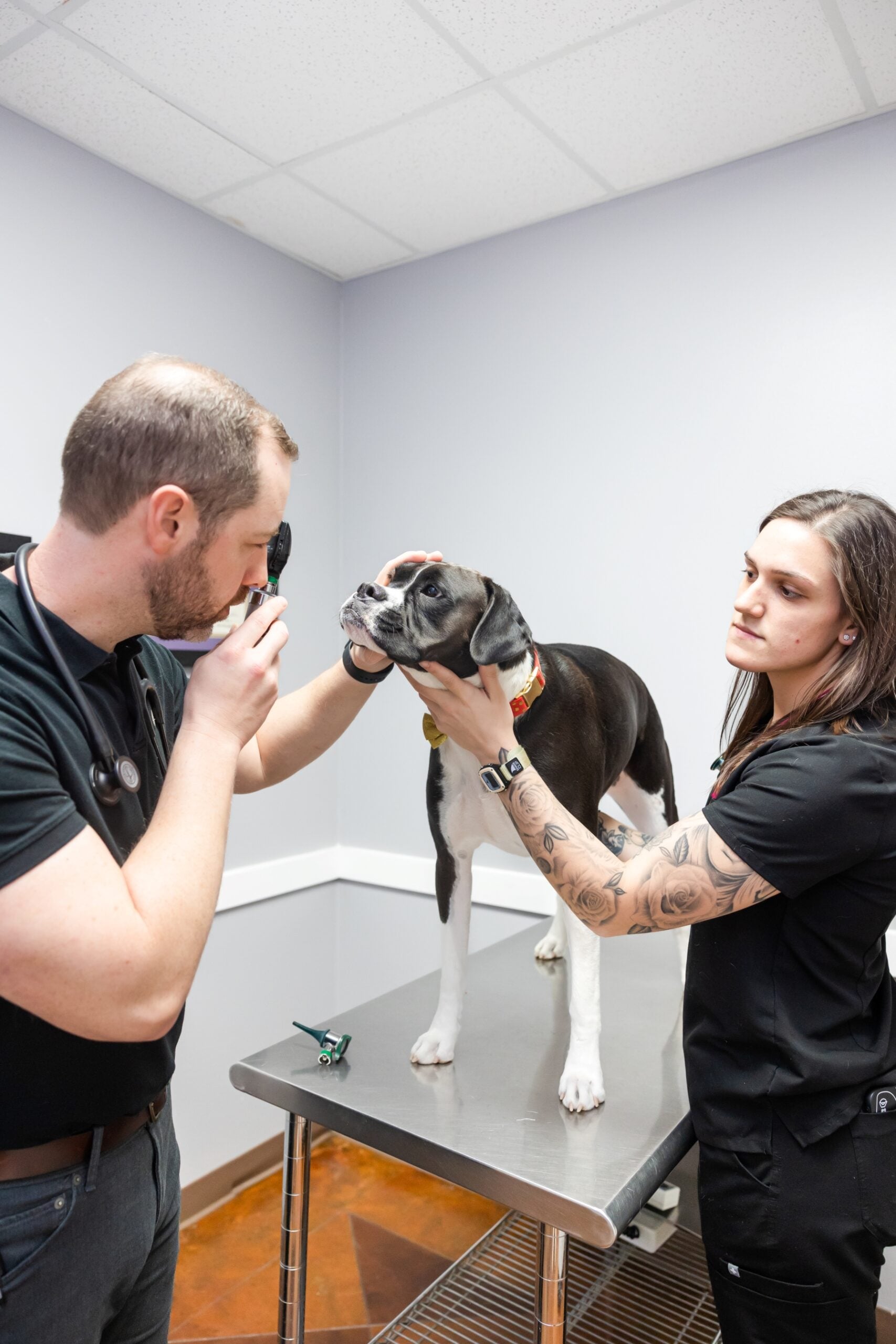
A clinic’s approach to pet comfort, especially for anxious animals, can be the deciding factor for families. If your dog gets tense at the sight of a leash, or your cat hides as soon as the door opens, you’ll want a team that uses gentle handling, minimizes restraint, and creates an environment where fear get more info does not dominate the experience. This is not about coddling but about practical strategies that keep a visit productive and humane. Quiet rooms, aromatherapy considerations where appropriate, and staff who know how to read a pet’s body language can transform a routine checkup into a much smoother process.
Practical guidelines for evaluating a veterinarian in Prairieville
- Observe the first contact. The way staff handles your call or online inquiry can reveal the clinic’s core philosophy. Do they ask about your pet’s age, weight, breed, and any ongoing medications before booking an appointment? Do they confirm your preferred contact method and provide a realistic estimate of wait times?
- Consider the continuity of care. Is there a primary veterinarian assigned to your pet, or will you see different clinicians at each visit? A consistent point person helps build a medical narrative and reduces redundant testing or conflicting recommendations.
- Assess the facility during a tour. A clean, well lit space with a calm demeanor goes a long way. Notice whether the staff greet you by name, whether the exam rooms are organized, and how the staff manage a busy day without sacrificing attention to individual animals.
- Check the hospital’s surgical and diagnostic capabilities. If your pet requires more advanced diagnostics, you want a plan that uses in house devices when appropriate but also knows when to refer. Ask which tests are run in house, how quickly results are returned, and what the typical turnaround is for imaging, blood work, and dental radiographs.
- Probe for aftercare and support. What happens after a procedure or surgery? Will the clinic provide pain management guidance, home care instructions, and a clear follow up schedule? Early, precise instructions can reduce post procedure stress for both you and your pet.
The practical reality of evaluating the right veterinarian is that there are no perfect answers in every situation. Every family has constraints, and every pet has quirks that demand an adaptive approach. The best clinics embrace that reality and work with you to craft a plan that respects both medical necessity and everyday life. In Prairieville, you’ll find clinics that specialize in different aspects of care. Some emphasize preventive medicine and senior pet programs, others highlight surgical expertise or emergency services. When you’re deciding, consider not only the clinical skill on paper but the resonance you feel when you meet the team.
A closer look at the core components that make a veterinary practice durable
Continuity of care is not a buzzword. It’s the thread that ties every appointment back to your pet’s medical history. If you switch clinics or if your life takes you away for a period, you want a team that can export a clean, readable medical record. That means digital file management that keeps vaccination histories, allergy notes, medication lists, and prior procedures accessible to you and to the clinicians who are caring for your pet at any given time. In some cases, it also means a straightforward, federally compliant method for sharing records with specialists when referrals become necessary.
Communication flows in two directions. The veterinarian explains the diagnosis in terms you can grasp, but you also communicate your preferences, your observations about behavior at home, and your constraints around treatment decisions. The most reliable clinics foster a feedback loop. If you don’t understand why a certain drug is needed or why a diagnostic test is recommended, you should be able to ask questions and receive an answer that aligns with current best practice and your pet’s profile. It’s not enough to nod along with medical jargon. You want to leave with a concrete sense of the plan and the confidence that you can implement it.
Technology is a tool, not a talisman. The right practice uses imaging, lab work, and digital records to inform decisions, but it won’t substitute for clinical judgment or compassionate observation. The goal is to balance data with clinical intuition, especially in complex cases. A clinic that leans too heavily on gadgets without building a personal rapport may feel efficient, but it can lack the warmth that often helps pets through difficult phases of care.
Part of choosing the right veterinarian involves understanding how a practice handles emergencies and afterhours. In many communities, urgent care or after hours care is a separate model from routine medicine. You want to know whether the clinic will extend care during a crisis, whether there is a partner network of ER clinics, and how much you should expect to pay for afterhours assistance. Clarity around these scenarios reduces the stress that comes with sudden illness or injury.
To illustrate how these elements play out in real life, consider a scenario from a typical week at a Prairieville clinic. A middle aged terrier named Max started showing signs of stiffness after long walks, a possible early sign of arthritis. The veterinary team scheduled a comprehensive plan: a senior wellness panel to establish a baseline, a discussion about weight management to relieve joint load, and an in house trial of a joint supplement along with a tailored exercise regimen. The veterinarian explained the results in plain terms, recommended a plan that could be implemented in the home with a simple weekly checklist, and left a clear line of communication open for any questions that would arise across the next month. A few days later, Max’s owner received a call with the lab results and a revised plan that took into account Max’s response to the initial therapy. That small sequence—measurement, interpretation, adjustment—exemplifies a durable approach to care.
If you want to assemble a short but practical checklist for yourself, here are a few ideas that balance specificity with easy recall. The goal is not to overwhelm with a heavy credential list but to foster a sense of what good care looks like when you walk through the door.
Two concise lists to guide your evaluation
-
Questions to ask during a first visit 1) How will you coordinate preventive care for my pet, and what does an annual plan look like? 2) What are the options and costs for dental care, vaccines, and parasite prevention, and how do we choose among them? 3) How do you handle intense or anxious pets, and what techniques do you use to reduce stress during exams or procedures? 4) What is your process for communicating test results, treatment options, and follow up? 5) How is afterhours care managed, and what should I do if an urgent issue arises outside office hours?
-
Indicators of a supportive, well run practice 1) Clear transitions when referrals are needed and timely communication about what’s involved in specialty care 2) A clean, organized environment with staff who routinely address your pet by name and ask about comfort 3) Transparent pricing without hidden fees and a straightforward explanation of what is included in a given plan 4) A robust reminder system for vaccines, exams, and routine diagnostics that respects your calendar 5) A culture of learning, where clinicians discuss cases openly, share knowledge internally, and keep current with evidence based medicine
If you’re reading this and weighing Prairieville options, you may feel a sense of relief when you discover a clinic that aligns with those criteria. The truth is that choosing a veterinarian is a relational decision as much as a clinical one. Your pet’s care will be shaped by the team that you choose to trust with the daily decisions that add up to a long, healthy life. If a clinic can demonstrate consistent, thoughtful care and clear communication, you will begin to see the difference in how your pet responds to treatment, how calmly you can manage routine vaccinations, and how smoothly a plan lands into your daily schedule.
Common scenarios and how a good veterinary partner handles them
Dental care is often underestimated in its impact on overall health. When I first started, I learned that the mouth is a gateway to the body. Bacteria from diseased teeth can enter the bloodstream and affect the heart, kidneys, and liver. A clinic that integrates dental health with general wellness routinely schedules dental cleanings, guides owners on at home brushing techniques, and discusses the long term benefits in practical terms. You don’t have to become a dental expert to participate in the process. The right team translates the science into a plan you can implement, whether that means selecting an appropriate dental diet, brushing routines, or follow up checks to monitor healing after a procedure.
Chronic conditions demand a careful, steady approach. A dog with early stage kidney disease, for example, requires a plan that combines diet modification, hydration strategies, and regular monitoring. The right veterinarian will work with you to set realistic weekly targets, explain what changes to watch for at home, and adjust the plan as lab values shift. It’s the slow accumulation of data, a pattern you recognize after a few visits, that makes the difference in outcomes. You’ll feel that when a clinician nudges you toward small but meaningful adjustments rather than offering a dramatic overhaul you can’t sustain.
End of life and palliative care are areas where the right veterinary partner proves their true character. You want a team that respects your pet’s dignity, supports you emotionally, and provides practical guidance on comfort measures. The most meaningful conversations I’ve witnessed involved clinicians who walked families through what to expect, how to align medical decisions with the animal’s quality of life, and how to arrange home or hospice support when needed. These discussions are never easy, but a clinic that can navigate them with honesty and compassion makes a lasting difference.
In the end, the choice you make for Prairieville Animal Hospital or any veterinarian should feel like a natural extension of your daily life. It’s where the pet’s story continues with minimal disruption, where care plans integrate seamlessly with your family’s routines, and where you have a partner who treats your pet as a member of your family rather than a problem to be solved. The best clinics keep learning, keep listening, and keep the door open for questions. They celebrate small victories—the pet that returns to a favorite walk after a new pain management plan, the cat that tolerates a dental check without fear, the owner who feels heard and supported—because those moments are the real indicators of health and trust.

As you compile your list of potential clinics, you’ll realize that the main task is not to locate the perfect practice but to identify the best possible match for your specific situation. You want a team that will stay with you through routine wellness, sudden illness, and the long arc of aging with your pet. That’s where a Prairieville clinic—whether Prairieville Animal Hospital or another trusted practice—shows its value. The right veterinarian is a collaborator, a teacher when needed, and a steady hand during the moments when you need clarity more than certainty.
The road to finding the right veterinarian is rarely short. It requires visits, questions, and a willingness to observe how the clinic operates on a day to day basis. A well run practice will welcome your questions, offer transparent options, and provide a pathway that respects both your financial boundaries and your pet’s comfort. It’s not about chasing prestige or ranking. It’s about cultivating a relationship that endures. In the long run, that relationship translates into fewer surprises, more consistent care, and a healthier, happier animal who can stay by your side for as many years as possible.