Comprehensive Pet Dental Care at Prairieville Animal Hospital
Dental health often sits in the shadows of more visibly dramatic medical needs, yet it quietly shapes a pet’s quality of life in tangible, daily ways. At Prairieville Animal Hospital, dental care is not a sideline service but a core facet of preventive medicine. The practice has learned over years of routine checkups, emergency visits, and complex surgeries that a healthy mouth is a healthier pet overall. The path from a routine cleaning to a pain-free mouth is not always glamorous, but it is consistently straightforward when approached with patience, precision, and clear communication between veterinarian, technician, and owner.
From the moment a client first steps through the door, the conversation around dental care is grounded in practical realities. Pets do not present a dental complaint the way we might expect with a fever and a rash. They show signs in subtle ways: a reluctance to eat hard foods, drooling, bad breath, or a preference for soft textures. Those signals can be easy to miss, especially in biddable, well-groomed animals that mask discomfort behind cheerful behavior. Prairieville Animal Hospital’s team has learned to listen for those quiet cues and to translate them into a plan that fits the animal and the household. It’s not about pushing the most expensive treatment, but about delivering outcomes you can measure on the kitchen floor after a meal and in the way your pet greets you at the door.
The clinic’s approach to dental care is anchored in anatomy, physiology, and the realities of aging. Dogs and cats do not keep their teeth shiny by accident. Plaque and tartar accumulate in predictable patterns, and those deposits carry more consequences than a cosmetic concern. If allowed to progress, dental disease can contribute to systemic inflammation, impact heart and kidney function, and complicate anesthesia in future procedures. The veterinary team at Prairieville Animal Hospital treats dental health as part of the preventive framework that supports longevity and vitality. It is one part science, one part thoughtful care, and entirely about giving pets a better day-to-day experience.
What follows is a practical tour through comprehensive pet dental care as it unfolds in a real practice. The goal is to demystify the process while offering concrete guidance for owners who want to partner effectively with their veterinary team. You will find a blend of clinical detail, everyday observations from a busy clinic, and actionable advice you can apply at home without becoming overwhelmed. The sections are designed to be read independently, yet they build toward a coherent understanding of how to maintain a pet’s oral health across life stages.
Why dental health matters, in plain terms
Dental disease is not simply a mouth issue. It is a whole-body health concern that often begins with a small bite of discomfort at the gum line. In many animals, those early problems manifest as changes in eating behavior, preference for softer foods, or subtle shifts in energy during play. Left untreated, simple gingivitis can escalate into periodontal disease, and that is where real trouble begins. In the worst cases, bacteria from the mouth can enter the bloodstream and stress organs as distant as the kidneys, liver, and heart. The clinical aim at Prairieville Animal Hospital is to intervene early, to conserve natural teeth whenever feasible, and to minimize anesthesia time through careful planning and state-of-the-art techniques.
A practical approach to prevention starts with a baseline assessment. Each pet receives a dental exam that evaluates gum health, tooth integrity, alignment, and presence of any lesions or growths. The evaluation extends beyond the mouth to gauge body condition, weight trends, and dental-specific risks related to breed, age, and prior medical history. The practice emphasizes a gentle, steady pathway, balancing the comfort of the animal with the precision of diagnosis. It is this balance that makes routine dental care sustainable for pets who would otherwise resist frequent interventions.
Understanding the tools of the trade
A modern dental procedure in a veterinary setting blends time-tested techniques with advanced equipment. You will hear terms like ultrasonic scaler, dental radiographs, and periodontal probing, and you may wonder how all these pieces fit together. In practice, the dental cleaning begins with a thorough ultrasonic scale to remove plaque and tartar from both above and below the gum line. This step is followed by polishing to reduce future plaque accumulation and smooth enamel surfaces to discourage bacterial adherence. For many patients, this is enough to halt early disease and restore comfort.
The more advanced steps come into play when there is tooth decay, fracture, or gaps that require restoration. Dental radiographs, or X-rays, are indispensable for revealing what lies beneath the gum line. A tooth can look fine on the outside, yet harbor hidden decay or bone loss. Prairieville Animal Hospital incorporates radiography as a standard part of many dental assessments, particularly for older pets or those who have shown signs of dental distress in the past. When necessary, restorative treatments or extractions are performed with careful consideration for the patient’s age, health status, and the long-term implications of removing a tooth.
Anesthesia is a critical, non negotiable element of safe dental care for pets. The team follows strict protocols that include pre-anesthetic screening, continuous monitoring during the procedure, and a post-anesthetic recovery plan. The aim is to minimize stress for the animal while ensuring impeccable precision and control. For clients, this means clear pre-operative instructions, transparent estimates, and ongoing communication about what to expect before, during, and after the procedure. It is a system built on safety, reliability, and respect for the animal’s well-being.
The continuum of care, from wellness visits to complex procedures
Dental health does not exist in a vacuum. It is a thread that runs through wellness exams, vaccination schedules, and senior pet care. Prairieville Animal Hospital treats dental care as part of a broader health strategy, rather than a single event to check off the to-do list. Every wellness exam includes a dental component, and owners are encouraged to bring questions about bite strength, tooth color, and any areas the pet may avoid when chewing. This practice-level integration means that progress is tracked over time, not as isolated incidents but as a story of the pet’s oral and overall health.
For many pets, a simple dental cleaning every year or two is enough to maintain comfort and function. For others, a more proactive plan is needed, especially if there is a history of dental disease, kidney or heart conditions that complicate anesthesia, or breeds that are predisposed to dental problems. The veterinary team tailors recommendations to the individual animal, balancing the need to protect dental health with the realities of pet ownership, daily schedules, and financial considerations. The goal is practical care that fits in with the rhythms of a household while delivering meaningful, measurable benefits to the pet’s day-to-day life.
Two guiding principles shape every dental decision
First, maintenance matters as much as treatment. A cleaning performed well but followed by a poor home routine will not sustain long-term health. Prairieville Animal Hospital emphasizes owner education and practical home care strategies. The team provides bite-sized, doable tasks that fit into a busy day, whether that means a quick brushing routine at night or a plan to introduce dental diets and dental chews gradually. The second principle is consistency. Dental health improves slowly but steadily with repeated, well-executed interventions. A plan that spans several months or years can yield durable results, especially when it includes timely dental cleanings, treatment of problems as they arise, and attention to systemic health markers that can be affected by oral disease.
What does a dental visit look like in real life?
The experience at Prairieville Animal Hospital is designed to be as smooth as possible for both pet and owner. A typical dental visit begins with a conversation about the pet’s recent eating habits, appetite, and any signs of discomfort. The technician notes the pet’s behavior in the exam room, including how they tolerate light touch around the mouth, whether they resist opening wide, and whether there is any obvious swelling or redness at the gums. The veterinarian then performs a full assessment, calling on radiographs when necessary to complete the picture. The plan is personalized, and it is always explained in plain language. Clients leave with a clear understanding of the recommended steps, the expected timeline, and the anticipated outcomes.
A practical look at how we handle common scenarios
For a middle-aged dog with mild gingivitis, the plan may begin with a scaling and polishing visit, followed by targeted home care, and then a recheck. If the dog is predisposed to tartar buildup, the team may propose a seasonal cleaning schedule, paired with a diet that promotes dental health. In a cat with stubborn breath and a couple of worn teeth, the veterinarian may recommend radiographs to assess tooth root health and consider extraction options if necessary. The decision to extract is never made lightly; it is the result of a careful evaluation of pain, function, and long-term welfare. In every case, the goal is to preserve natural teeth whenever possible, while not prolonging discomfort or compromising safety.
The human side of care: guidance you can count on
Owners often worry about the anesthesia portion of dental care, a legitimate concern given the risk calculus involved with every procedure. Prairieville Animal Hospital addresses those concerns head-on by explaining the pre-anesthetic evaluation, the monitoring during anesthesia, and the plan for recovery. The clinic’s veterinarians emphasize that modern anesthesia is remarkably safe when paired with contemporary monitoring technology and trained staff. They share the steps they take to minimize risk, such as adjusting anesthesia levels for older pets or those with chronic conditions, and they offer a realistic assessment of what to expect on the day of treatment. Clients appreciate the honest dialogue about cost, risk, and comfort, which helps them feel in control even as their pet undergoes a procedure.
Two lists to help owners navigate dental care decisions
-
What to expect at a dental visit:
-
A thorough oral exam with gum health assessment
-
Ultrasonic scaling to remove plaque and tartar
-
Dental radiographs when indicated to assess tooth roots and bone
-
Polishing to smooth enamel and deter future buildup
-
Clear post-procedure instructions and a plan for home care
-
Practical home care tasks that deliver results:
-
Daily brushing with a pet-safe toothpaste
-
Routine dental chews or dental diet options recommended by the team
-
Regular weight checks and dietary adjustments to reduce tartar formation
-
Gentle gum massage to promote blood flow and healthy tissue
-
Scheduling a recheck or cleaning within a timeline that matches the pet’s risk level
These lists are not just checklists; they reflect the rhythm of care that Prairieville Animal Hospital has found effective in real-world settings. The clinic’s experience shows that consistent routine care, reinforced by occasional professional interventions, yields the best long-term outcomes for most pets.
Embracing a realistic schedule
Dental care is a long game. The clinic recognizes that many households juggle work, travel, and family responsibilities, so it frames recommendations in achievable terms. For younger pets, the emphasis is on prevention: establish a brushing habit, select a chew or diet that supports dental health, and schedule an annual wellness exam that includes a dental component. For aging animals or those with a history of dental disease, a more proactive plan is warranted. That plan may involve regular cleanings more frequently than once a year, targeted home care strategies, and closer monitoring for signs of advanced disease. The veterinary team works with owners to set milestones that feel practical rather than punitive, ensuring that both the pet and the family see a clear path forward.
Breeds, ages, and the nuance of dental care
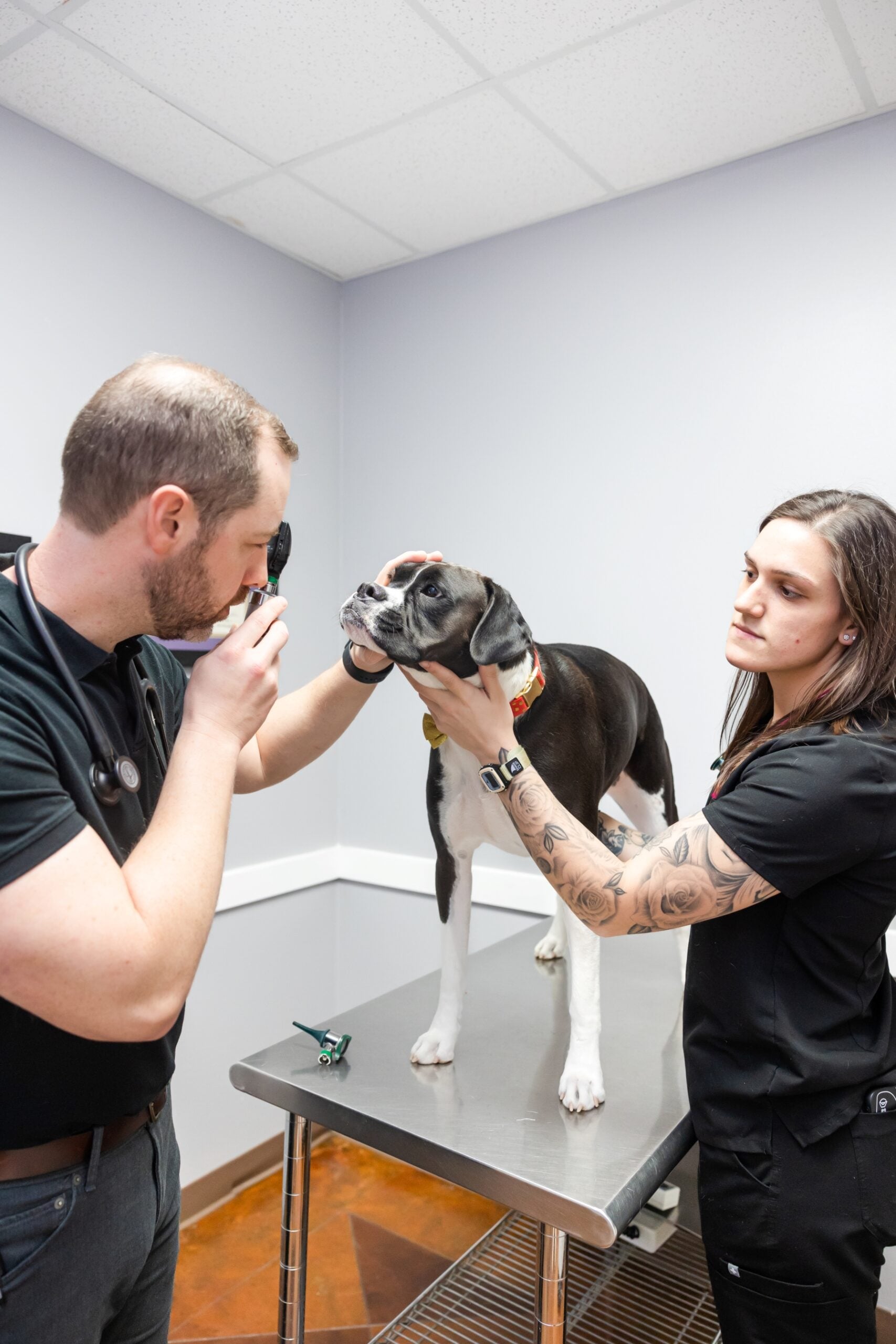
Certain breeds are predisposed to dental problems, others to more complex anesthesia considerations. The Prairieville team applies its knowledge to tailor recommendations accordingly. Small dogs, for example, tend to accumulate tartar rapidly and may require more frequent cleanings relative to their size. Large breed dogs, while less prone to rapid tartar buildup, can develop bone and periodontal issues that require careful diagnostic work. Cats, with their own unique dental patterns and frequent silent signs of pain, demand a keen eye for subtle shifts in behavior and appetite. Age adds another layer: puppies and kittens begin their dental journey with teething, a phase that benefits from positive social experiences and safe chew objects, while seniors often carry a heavier burden of chronic conditions that influence anesthesia risk and recovery pace. Prairieville Animal Hospital sees these differences as a practical map rather than a barrier to care, guiding owners toward interventions that respect the pet’s life stage and function.
Economic realities and value in dental care
There is no magic price tag for dental procedures, and the clinic is transparent about costs and what goes into the estimate. A typical cleaning for a healthy adult dog or cat can be a balanced investment considering the benefits of improved comfort, better appetite, and reduced risk of systemic complications down the road. When radiographs, extractions, or advanced restorative work are necessary, the team explains how those components contribute to longer-term outcomes, why they may be warranted now rather than later, and how to plan for them within a household budget. Prairieville Animal Hospital aims to demystify the financial side by offering clear, itemized estimates and discussing payment options where appropriate. The underlying philosophy is straightforward: when you invest in dental health now, you invest in daily comfort, sustained energy, and a chance to avert more demanding intervention later.
Practical tips for owners preparing for a dental appointment
- Bring a list of medicines and any recent health concerns that could influence anesthesia or recovery.
- Note any changes in eating habits, chewing preferences, or signs of mouth pain, even if they seem minor.
- Avoid feeding immediately before a procedure to reduce aspiration risk, and arrange a calm drop-off and pick-up routine.
- Ask for a post-procedure plan that includes pain management, activity guidelines, and a realistic expectation for resuming normal routines.
- Schedule the follow-up visit in alignment with the veterinarian’s recommended timeline to monitor healing and check for new signs of trouble.
A year in the life of a pet’s teeth
For most pets, dental health is a journey that maps onto seasons, not just appointments. A typical year includes one or two professional cleanings for many pets, with occasional radiographs to screen for early changes. The rest is home care, reinforced by the same steady messages about brushing, diet, and monitoring. The pet’s mouth acts as a barometer for overall health. Spotting changes early provides a practical advantage, whether it is a stubborn breath that doesn’t respond to routine cleaning or a sudden reluctance to chew on certain textures. Prairieville Animal Hospital’s clinicians approach these moments with the same blend of clinical rigor and human warmth that characterizes their broader practice.
The broader picture: dental health as preventive medicine
Dental care cannot be separated from the broader concept of preventive medicine. The mouth is a gateway to the body; problems there often echo in other systems. The practice at Prairieville recognizes this interconnection and uses it to advocate for a proactive stance rather than a reactive one. An informed owner who understands the why behind a cleaning schedule, the how of at-home care, and the what of potential follow-up steps is more likely to adhere to a plan that yields real, durable benefits. The result is a more comfortable pet, a calmer household, and a veterinary partnership that grows with the animal through every life stage.
The human element of care continues beyond the procedure itself
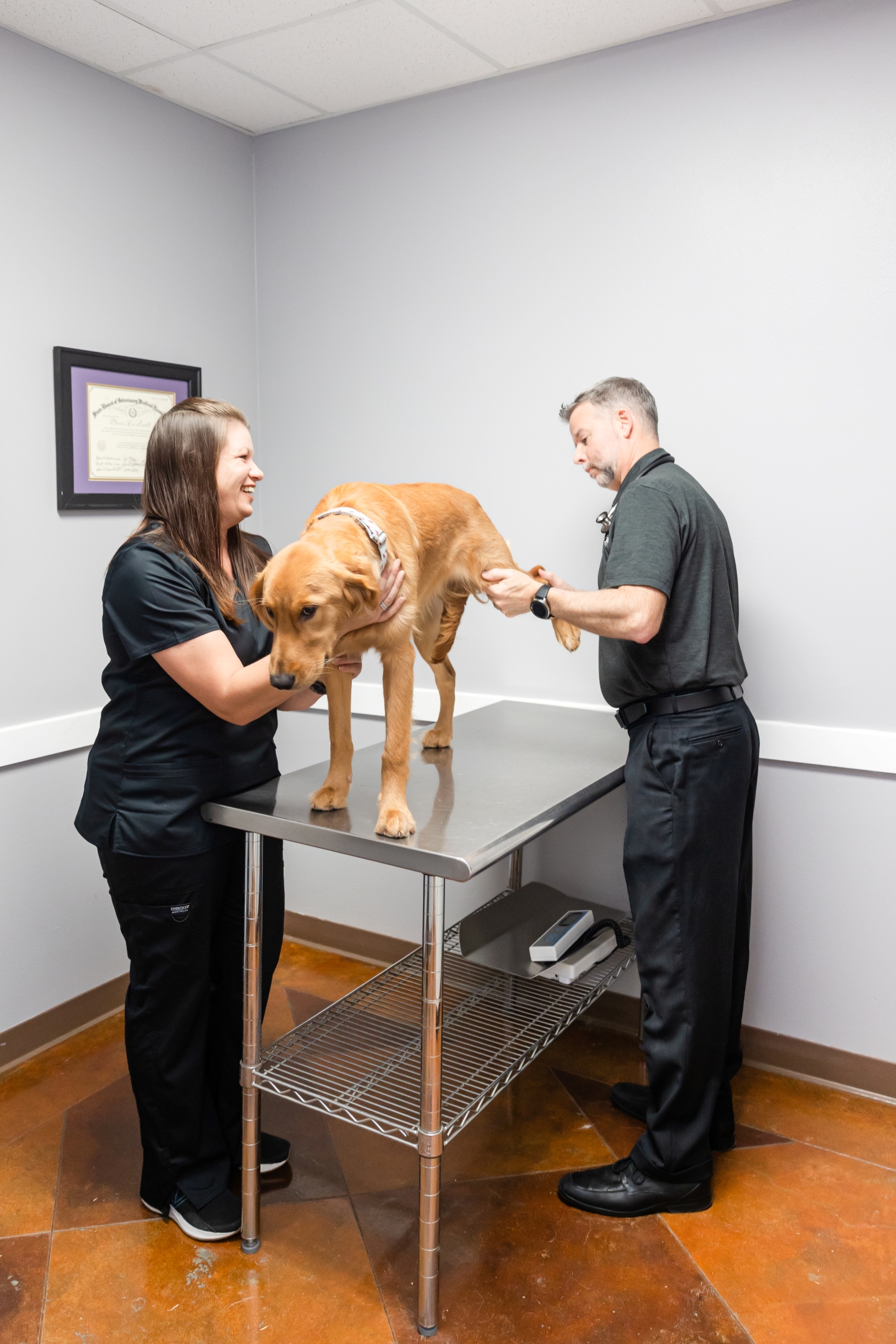
What sticks after a dental appointment is not just the technical success of the cleaning or extraction. It is the feeling that the team has a genuine interest in the animal’s long-term well-being. The veterinarians and technicians at Prairieville Animal Hospital invest effort in explaining the rationale behind each decision, translating medical jargon into practical language, and offering clear steps owners can take at home. They understand that a dog that tolerates a brushing routine without drama is not only saving money, but also avoiding unnecessary stress for the pet and its family. They recognize that a cat who accepts a dental chew is not simply indulging a habit, but participating in a scientifically grounded plan to reduce plaque formation. This is the day-to-day reality of good veterinary care, observed in the quiet ways it reduces pain, improves appetite, and reanimates a sense of daily vitality.
As this article closes, a few final reflections emerge from years of hands-on experience in the field
Dental health is not a single event, but a continuous partnership. It is built on scheduled care, careful observation, and ongoing education for owners who want to be meaningful partners in their pet’s welfare. The team at Prairieville Animal Hospital has learned to embrace the complexity of dental care without sacrificing clarity. They meet fear with reassurance, confusion with clear explanations, and in doing so, they help owners recognize that dental health is a practical, daily priority that quietly shapes a pet’s overall happiness.
The result is a community of pets who chew with confidence, breathe with less odor, and greet their families with genuine enthusiasm after meals. It is an outcome grounded in science, shaped by experience, and sustained by a shared commitment to keeping mouths healthy and pain-free. The practice’s approach to dental care, from routine wellness exams to the most intricate radiographic diagnosis to the careful extraction when warranted, is always guided by the pet’s comfort and the family’s peace of mind.
If you are considering dental care for your pet, reach out to Prairieville Animal Hospital to begin a conversation. The team will listen to the specifics of your pet’s health history, explain options in practical terms, and lay out a plan that respects both medical necessity and your everyday life. The aim is not to overwhelm but to empower, to give you a clear path forward that keeps your pet smiling and comfortable for years to come. In this shared enterprise of care, the mouth becomes a reliable discover more compass for overall wellness, and the relationship between owner and veterinarian deepens as trust is earned through consistent, compassionate action.